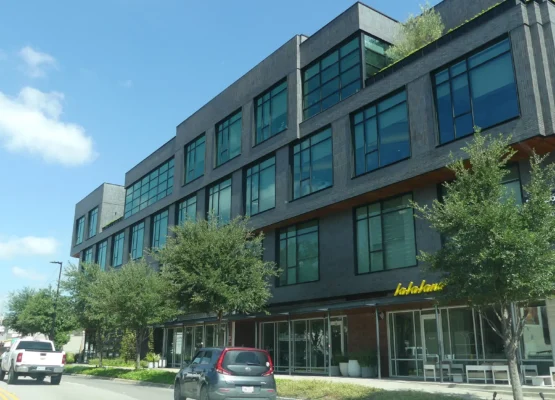
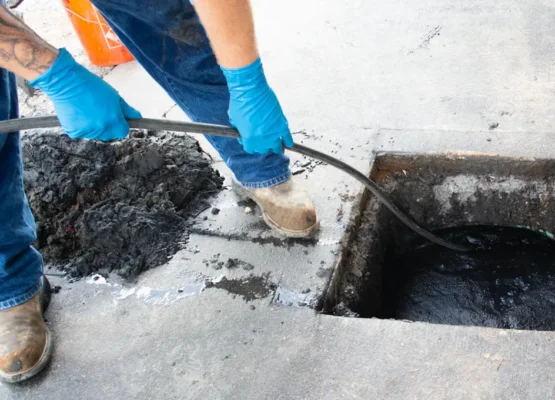
Commercial plumbing is one of the building systems a buyer should investigate before purchasing a commercial property.
A roof problem can be visible.
A damaged parking lot is hard to miss.
Plumbing is different.
Water lines run above ceilings, inside walls, below concrete slabs, and underground. Sanitary sewer piping may extend hundreds of feet before reaching the municipal connection. Shutoff valves may sit untouched for years. Water heaters, backflow assemblies, pumps, drains, and fixtures may still operate while showing clear signs of age or wear.
A standard property walk-through doesn’t tell you enough.
A buyer needs evidence.
Service records show what has failed before. Sewer cameras show conditions inside drain piping. Visual inspections reveal corrosion and previous leaks. Fixture tests show how components perform. Water-use records can expose unexplained consumption.
Those facts help a buyer understand the plumbing system they’re actually purchasing.
Commercial Plumbing History Is Part of the Building’s History
Commercial plumbing history is one of the best places to start a property review.
Ask for plumbing service records before closing.
Invoices, work orders, maintenance reports, inspection records, and previous repair proposals can reveal patterns that aren’t visible during a walk-through.
Look for repeated calls involving the same drain.
Look for several water-line repairs in the same section of the building.
Check for recurring sewer stoppages.
Review water-heater replacements.
Look for repeated leak calls.
Find out whether underground piping has been repaired.
Check records for lift stations, pumps, backflow preventers, grease interceptors, or other specialty equipment.
One repair doesn’t establish a pattern.
Five repairs in the same area do.
Historical records give individual service calls context.
A buyer who sees three years of repeated sewer stoppages knows more than a buyer who flushes a toilet during a property tour and sees it drain.
Commercial Plumbing Repairs Are Often Hidden Behind Finished Surfaces
Commercial plumbing repair is often concealed after the work is complete.
Fresh paint doesn’t prove that the pipe behind the wall is sound.
A new ceiling tile doesn’t explain why the old tile was stained.
New flooring doesn’t show what happened underneath it.
Property buyers should look for physical evidence of previous water problems.
Check for:
- Stained ceiling grids
- Mismatched ceiling tiles
- Patched drywall
- Swollen baseboards
- Corroded pipe fittings
- Water staining beneath sinks
- Rust around valves
- Damaged cabinets
- Mineral deposits around connections
- Repaired concrete
- Unusual floor patches
- Moisture around mechanical equipment
These conditions don’t prove that an active leak exists.
They prove that the area deserves inspection.
The next question is direct.
What happened here?
A seller or property manager with good records should be able to answer it.
Commercial Sewer Lines Are Assets You Can’t Judge From the Surface
Commercial sewer lines are underground systems that require direct inspection when the property’s history or condition raises concerns.
Water flowing down a drain doesn’t prove that the sewer line is in good condition.
A pipe can carry water while containing scale, grease, debris, roots, damaged joints, offsets, standing water, or structural defects.
A video camera changes the evidence.
Instead of guessing from symptoms, the plumber can inspect visible conditions inside accessible sections of the line.
Charlie’s uses video inspection to locate conditions such as buildup, blockages, roots, cracks, collapsed or misaligned piping, and low spots in commercial drainage systems.
This becomes important when buying:
- Older commercial buildings
- Shopping centers
- Restaurants
- Grocery properties
- Medical facilities
- Industrial buildings
- Multi-tenant properties
- Buildings with repeated drain problems
- Properties with long underground sewer runs
- Buildings that have gone through several remodels
The property’s service history should guide the inspection.
Repeated sewer calls give the buyer a reason to look deeper.
Commercial Drainage Is More Than a Collection of Working Sinks
Commercial drainage is a connected system of traps, branch drains, stacks, building drains, vents, cleanouts, and sewer piping.
Testing one sink doesn’t test that system.
A commercial property places different loads on its drainage piping throughout the day.
An office building fills with employees.
A restaurant starts food preparation.
A school changes classes.
A medical facility begins seeing patients.
A shopping center opens its doors.
Several fixtures begin discharging into shared piping.
A partially restricted line can carry light flow during an inspection and fail when normal occupancy returns.
Test fixtures under realistic conditions when practical.
Flush toilets.
Run sinks.
Watch floor drains.
Listen for gurgling.
Check drainage speed.
Look for water movement in nearby fixtures.
The buyer isn’t trying to perform the plumber’s job.
The buyer is looking for evidence that justifies further inspection.
Commercial Water Lines Are Pressurized Even When Nobody Sees Them
Commercial water lines are pressurized piping systems that can leak behind walls, above ceilings, below slabs, and underground.
Some leaks announce themselves quickly.
Water pours through a ceiling.
A pipe connection fails.
A mechanical room floods.
Other leaks leave smaller clues.
A water bill rises.
A meter records unexpected use.
A wall stays damp.
A ceiling tile stains repeatedly.
A valve develops heavy mineral deposits.
A patch of soil stays wet.
A pump runs more often than expected.
These clues matter during due diligence because water damage can extend beyond the pipe itself.
A plumbing leak can affect drywall, flooring, ceilings, equipment, electrical systems, inventory, and occupied tenant areas.
Charlie’s commercial services include water-line repair and replacement, leak locating, and other diagnostic work for Houston facilities.
A buyer should understand an unexplained water-loss problem before accepting ownership of it.
Commercial Shutoff Valves Are Building-Control Components
Commercial shutoff valves are critical because they control how much of the property loses water during a repair.
Find them before closing.
Identify the building’s main shutoff.
Identify tenant isolation valves.
Identify valves serving restrooms, kitchens, mechanical equipment, irrigation connections, and other major sections when those controls exist.
Then ask whether they work.
An old valve can look fine from the outside and fail when someone tries to close it.
That creates an operational problem.
A plumber may need to shut down an entire building to repair one tenant’s water line.
In a multi-tenant property, that changes the cost of a repair.
It also changes the number of businesses affected.
Valve location and condition aren’t minor details.
They determine how the building can be serviced.
Commercial Water Heaters Are Equipment With a Service Life
Commercial water heaters are mechanical assets that should be evaluated before the purchase price becomes final.
Record the manufacturer.
Record the model.
Check the installation date.
Review service history.
Look for corrosion.
Check for evidence of leaking.
Inspect visible connections.
Determine which areas of the property the equipment serves.
Then compare the equipment to the building’s current use.
A water heater serving a small office has a different workload from equipment serving a restaurant, hotel, salon, fitness center, healthcare facility, or commercial kitchen.
Past performance matters too.
Repeated repairs establish a history.
A buyer should know whether the building contains equipment that has been dependable or equipment that has required repeated attention.
That information belongs in the property evaluation before the closing documents are signed.
Commercial Backflow Assemblies Are Compliance Equipment
Commercial backflow assemblies are devices that protect potable water systems from reverse flow.
Many commercial properties contain backflow prevention equipment tied to domestic water, irrigation, fire protection, or specialized systems.
The buyer should identify the devices and review available testing records.
Charlie’s performs commercial backflow testing, certification, repair, replacement, and compliance reporting for commercial properties.
The records matter because the physical device isn’t the whole asset.
Its testing and compliance history matter too.
A buyer taking control of a property also takes control of the building’s ongoing responsibilities.
Know what those responsibilities are.
Commercial Specialty Plumbing Is Easy to Miss During a General Inspection
Commercial specialty plumbing is equipment that deserves separate attention because many buildings contain systems beyond toilets, sinks, and water heaters.
The property may include:
- Lift stations
- Sewage ejector pumps
- Grease interceptors
- Booster pumps
- Floor sinks
- Trap primers
- Mixing valves
- Commercial boilers
- Gas piping
- Backflow preventers
- Recirculation systems
- Process-water piping
- Hose stations
- Specialty drains
Each noun represents a separate component with its own condition, service history, and failure risk.
A buyer should create an inventory.
What does the building have?
What does each system serve?
Who maintained it?
When was it last serviced?
What has already been repaired?
What needs work now?
A general statement that “the plumbing works” doesn’t answer those questions.
Commercial Plumbing Changes Can Reveal a Complicated Renovation History
Commercial plumbing changes are common in properties that have served several different tenants.
A restaurant becomes a retail store.
A retail suite becomes a medical office.
Two offices become one large tenant space.
A warehouse receives new restrooms.
A salon takes over a former office.
Every conversion can add, move, disconnect, or abandon piping.
Look for capped lines.
Look for abandoned fixtures.
Review available construction plans.
Compare current plumbing to previous tenant layouts.
Check areas where walls have moved.
Ask about plumbing installed during major renovations.
The reason is practical.
A commercial building isn’t always operating on its original plumbing layout.
Decades of tenant improvements can leave a system that differs sharply from the original plans.
A buyer needs to know what exists now.
Commercial Plumbing Evidence Should Affect the Purchase Decision
Commercial plumbing evidence is useful because it turns an unknown condition into a business decision.
Suppose a sewer camera shows a damaged section of underground piping.
Now you have information.
The buyer can request a repair.
The parties can discuss the cost.
The purchase price can reflect the condition.
The buyer can budget the work after closing.
The important point is that the decision occurs before ownership changes.
Compare that with finding the same problem three months later after a tenant reports a backup.
The physical defect didn’t suddenly appear after closing.
The buyer simply didn’t know about it.
Due diligence doesn’t guarantee that a commercial building will never need plumbing repair.
It identifies conditions that can be observed, tested, documented, or traced through historical records.
That reduces unknowns.
Commercial Plumbing Inspections Should Follow the Property’s Risk
Commercial plumbing inspection is most useful when its scope follows the evidence.
A ten-year-old office building with complete maintenance records and no history of sewer trouble presents one set of facts.
A forty-year-old shopping center with repeated backups, patched underground piping, several restaurant tenants, and incomplete records presents another.
Those properties shouldn’t receive the same review.
Age matters.
Use matters.
Repair history matters.
Pipe material matters.
Tenant history matters.
Existing symptoms matter.
Planned use matters.
Start with the records and physical inspection.
Spiral outward from what you find.
A stain leads to a repair record.
A repair record leads to a history of leaks.
Repeated leaks lead to inspection of that piping section.
Repeated sewer stoppages lead to a camera inspection.
An old water heater leads to service-history review.
Evidence determines the next step.
That approach is more useful than ordering the same checklist for every building.
A Commercial Plumbing Company in Houston Should Know What to Document
A commercial plumbing company in Houston is most useful during due diligence when it can inspect the system, document what it finds, and explain what requires repair.
Property buyers need facts they can act on.
What was inspected?
What condition was found?
Where is the problem?
What repair does it require?
Is the issue active?
Does the problem affect one fixture, one tenant, or a shared building system?
Those details help owners, property managers, investors, brokers, engineers, and contractors make better decisions.
Charlie’s Plumbing works specifically with commercial and industrial facilities throughout Houston and the surrounding area. Its services include commercial plumbing repair, drain and sewer work, video inspection, leak locating, water-line service, backflow work, water heaters, and other systems found in commercial properties.
Commercial Plumbing Due Diligence Is About Knowing What You’re Buying
Commercial plumbing due diligence is a fact-finding process completed before the building becomes your responsibility.
Review the service records.
Inspect signs of previous leaks.
Test the fixtures.
Check the drains.
Review the sewer history.
Locate the shutoff valves.
Identify water heaters.
Find specialty equipment.
Review backflow records.
Look at previous tenant improvements.
Inspect known problem areas.
Bring in a commercial plumber when the evidence calls for a closer look.
A commercial property doesn’t need perfect plumbing to be a good purchase.
You need to know what condition the plumbing is in, what has already failed, and what you’re likely to repair after you take ownership.
Charlie’s Plumbing provides commercial plumbing inspection, diagnosis, and repair services for Houston property owners and facility teams who need clear information about the systems inside their buildings.
Before you buy the property, shouldn’t you know what you’re buying below the floors and behind the walls?