CapEx Plumbing Projects for Commercial Buildings
Larger CapEx plumbing projects for commercial buildings help property owners replace aging plumbing systems, plan major repairs, and protect the long-term value of the facility.
Some plumbing work is a quick repair. A faucet needs a part. A toilet needs service. A drain needs to be cleared.
Other plumbing work is much bigger.
When a commercial building needs a major plumbing upgrade, replacement, or system improvement, it often becomes a capital expense project. These are the larger plumbing projects that need planning, budgeting, scheduling, and the right team.
For property owners, facility managers, and building managers, CapEx plumbing projects can feel like a lot to manage. The work may affect tenants, staff, customers, and daily operations. It may also involve inspections, permits, and phased scheduling.
Charlie’s Plumbing helps commercial facilities plan and complete larger plumbing projects with a clear focus on reducing disruption and solving the right problem.
What Is a CapEx Plumbing Project?
CapEx stands for capital expense. In simple terms, it means a larger investment in the property.
A CapEx plumbing project is usually bigger than a normal repair. It may improve the building, replace an aging system, or extend the life of the facility.
These projects are often planned ahead of time and approved as part of a larger budget. They may be handled by the property owner, facility manager, asset manager, or business owner.
Examples of CapEx plumbing projects include:
- Repiping
- Main water line replacement
- Sewer line replacement
- Boiler replacement
- Commercial water heater upgrades
- Restroom plumbing upgrades
- Backflow system upgrades
- Drainage improvements
- Large fixture replacement projects
- Plumbing work for tenant improvements
The goal is usually long-term reliability.
Instead of paying for the same repair again and again, the property owner invests in a better solution.
Why Commercial Plumbing CapEx Projects Need Careful Planning
Large plumbing projects can affect more than the plumbing system.
They can affect business hours, tenant access, restrooms, kitchens, mechanical rooms, parking areas, and water service. That is why planning matters.
A poorly planned project can lead to confusion, delays, extra costs, and frustrated tenants.
A well-planned project gives everyone a clearer path.
Before work starts, the team should understand:
- What problem needs to be solved
- Which areas of the building are affected
- What the project will cost
- How long the work should take
- How water service may be impacted
- What permits or inspections may be needed
- How the work can be scheduled around daily operations
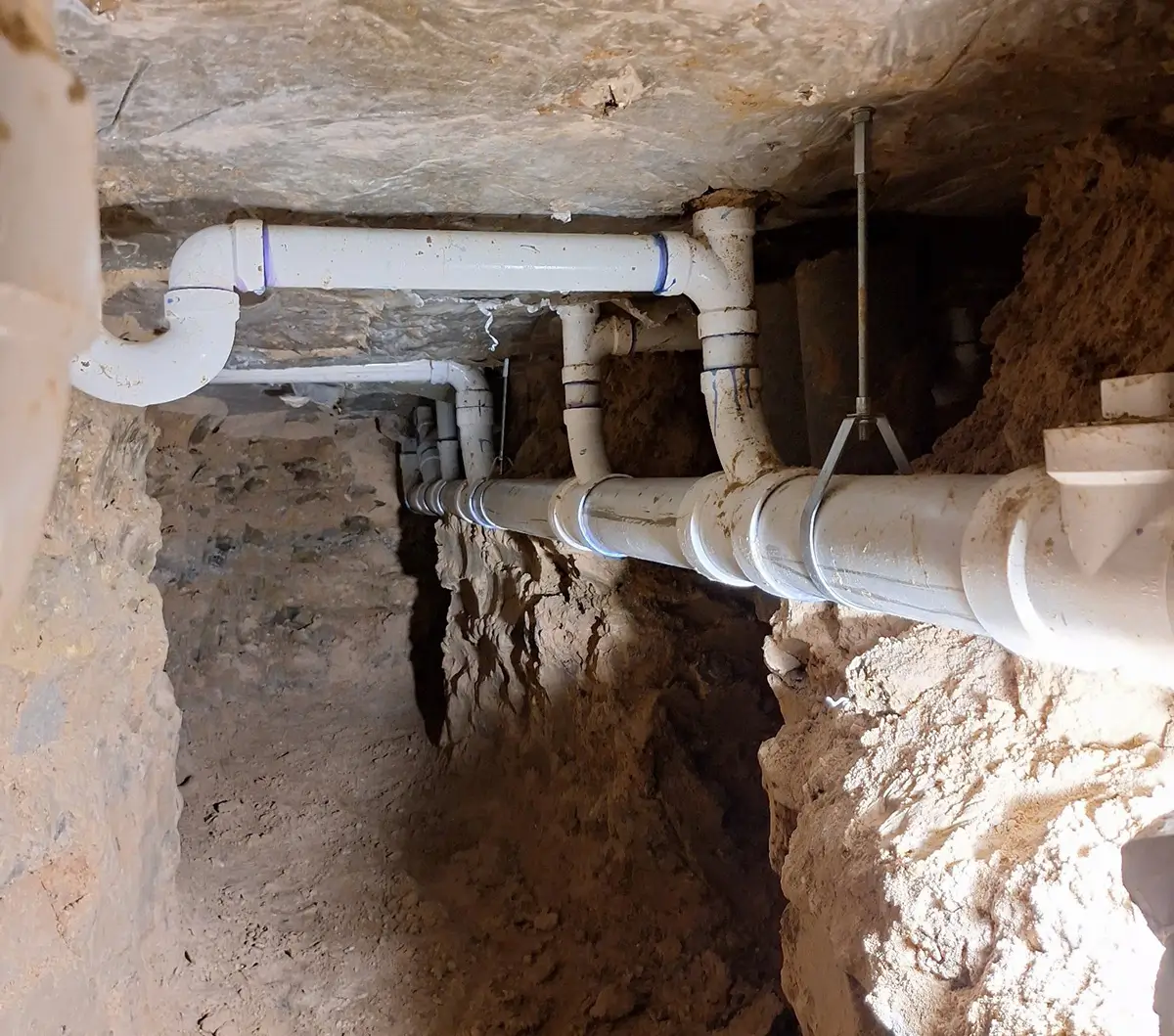
- What risks may exist behind walls, under floors, or underground
Commercial plumbing is rarely just about the pipe you can see.
Often, the bigger concern is what is hidden.
Signs Your Building May Need a Larger Plumbing Investment
Many commercial buildings give warning signs before a major plumbing project becomes urgent.
The problem is that those signs are often treated like separate repairs. One leak gets fixed. Then another leak shows up somewhere else. A drain gets cleared. Then it backs up again a few weeks later. A water heater gets repaired, but the system keeps struggling.
At some point, the building is telling you something.
Signs you may need a larger plumbing project include:
- Frequent leaks
- Low water pressure
- Aging pipes
- Rust-colored water
- Repeat drain backups
- Sewer odors
- Rising repair costs
- Old boilers or water heaters
- Tenant complaints
- Water damage
- Plumbing systems that no longer support the building’s needs
One repair may solve one issue.
A larger project may solve the pattern.
Examples of Larger Commercial Plumbing Projects
Every building is different, but certain types of projects are common in commercial facilities.
Repiping
Repiping may be needed when old pipes are leaking, corroded, or failing in multiple areas. Some buildings can be repiped in sections. Others may need a larger replacement plan.
Sewer Line Replacement
A damaged sewer line can cause backups, odors, and serious building disruptions. If cleaning the line no longer solves the problem, replacement may be the better long-term fix.
Boiler or Water Heater Replacement
Commercial buildings often depend on hot water for restrooms, kitchens, cleaning, or operations. Older systems can become unreliable, inefficient, or costly to maintain.
Restroom Plumbing Upgrades
Restroom upgrades may include new fixtures, flush valves, supply lines, drains, and rough-in plumbing. These projects are common in office buildings, schools, retail centers, and multi-tenant properties.
Backflow System Upgrades
Backflow devices help protect the water supply. If a device fails or no longer meets requirements, repair or replacement may be needed.
Budgeting for a CapEx Plumbing Project
Budgeting starts with understanding the real scope of work.
A quick guess can lead to trouble. Commercial plumbing systems often have hidden conditions. Pipes may be inside walls, above ceilings, below slabs, or underground. Older buildings may also have records that are incomplete.
A good planning process should include:
- A site review
- Photos or notes when helpful
- A clear scope of work
- Repair versus replacement options
- Priority levels
- Possible scheduling concerns
- Access needs
- Areas where hidden issues may be found
Facility managers can use this information to present the project to owners or decision makers.
This helps prevent the most common CapEx problem: surprise.
Should the Work Be Done All at Once or in Phases?
Some commercial plumbing projects can be phased. This means the work is broken into smaller parts.
Phasing can be helpful when a building needs to stay open. It can also help spread work across budget periods.
For example, a building with several restrooms may upgrade one section at a time. A large repiping project may begin with the worst areas first. A property with multiple buildings may handle one building before moving to the next.
Phasing needs careful coordination, but it can make a large project easier to manage.
The right plan depends on the condition of the plumbing system, the budget, and the needs of the facility.
How Charlie’s Plumbing Helps With Larger Projects
Charlie’s Plumbing can help commercial property owners and managers look at the full picture.
That includes the immediate problem, the long-term risk, and the best way to complete the work with less disruption.
Charlie’s Plumbing can support:
- Site reviews
- Commercial plumbing recommendations
- Larger repair planning
- Repiping projects
- Boiler and water heater upgrades
- Backflow-related projects
- Drain and sewer improvements
- Coordination with maintenance teams
- Scheduling around building operations
The goal is to give the property team a clear plan.
A large plumbing project is much easier to manage when the scope, budget, and schedule are clear before work begins.
Planning Early Helps Protect the Property
Waiting too long can turn a planned project into an emergency.
That usually means more stress, more disruption, and less control over timing. A planned replacement can often be scheduled around business needs. An emergency failure happens on its own schedule.
That is why early planning matters.
If your building has repeat plumbing problems, rising repair costs, or aging systems, it may be time to talk about a larger project.
FAQs About CapEx Plumbing Projects
What does CapEx mean in plumbing?
CapEx means capital expense. In plumbing, it usually refers to larger projects that improve, replace, or extend the life of a building’s plumbing system.
What types of plumbing projects are usually capital expenses?
Repiping, sewer line replacement, boiler replacement, commercial water heater upgrades, backflow system upgrades, and large restroom plumbing projects are common examples.
How far ahead should we plan a major plumbing project?
Planning should start as soon as repeat problems or aging system concerns show up. Early planning gives the property owner more control over budget, schedule, and downtime.
Can commercial plumbing work be done in phases?
Yes. Many larger projects can be phased to reduce disruption. Charlie’s Plumbing can help review the building and recommend a practical plan.
Can Charlie’s Plumbing help with project planning?
Yes. Charlie’s Plumbing can review the issue, explain options, and help commercial property teams plan larger plumbing projects.