Commercial lift station maintenance helps businesses avoid sewage backups, pump failures, alarms, and facility shutdowns.
A lift station is one of those systems many people forget about until it fails.
Then everyone notices.
Sewage backs up. Alarms sound. Odors spread. Restrooms may stop working. Business operations can get interrupted fast. In some facilities, a lift station failure can create sanitation concerns, tenant issues, customer complaints, and serious cleanup costs.
That is why lift station service should never be treated as an afterthought in a commercial building.
At Charlie’s Plumbing, we help commercial and industrial facilities maintain, repair, and respond to lift station issues. Our value is built around keeping your facility operating safely with fewer surprises.
What Does a Commercial Lift Station Do?
A lift station helps move wastewater when gravity alone cannot move it to the sewer system.
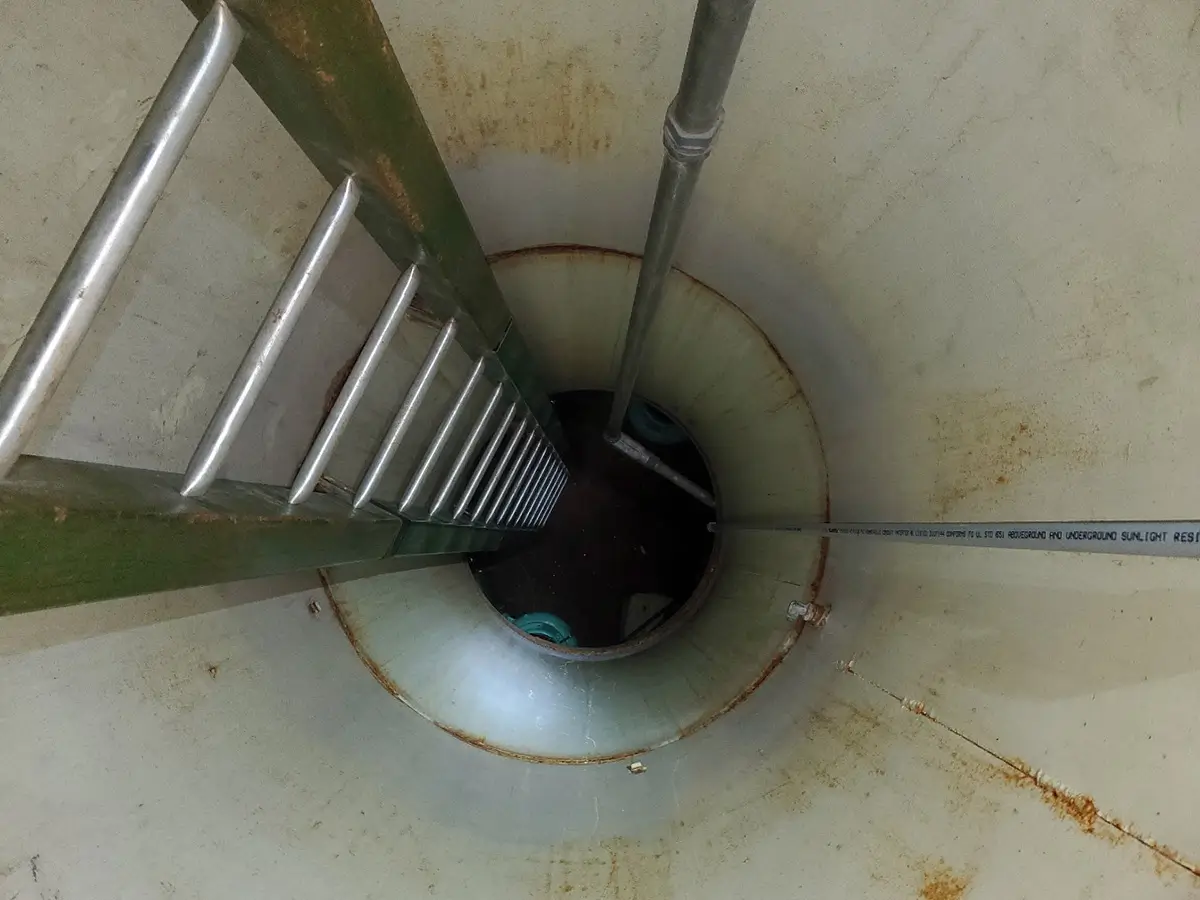
This is common in commercial properties where restrooms, drains, kitchens, mechanical areas, or other plumbing fixtures sit lower than the main sewer line. The lift station collects wastewater in a basin, then pumps it up to the proper sewer level.
The system may include:
- Basin or wet well
- Pumps
- Float switches
- Check valves
- Control panel
- Alarm system
- Discharge piping
- Electrical components
- Access lids
- Venting
- Backup components depending on the system
When everything works, wastewater moves away from the building.
When the system fails, wastewater can stay where it should not be.

Why Lift Station Failure Is a Big Deal
A failed lift station can create problems fast.
| Lift Station Problem | Facility Risk |
| Pump failure | Wastewater cannot move properly |
| Float switch issue | Pumps may fail to turn on or off correctly |
| Control panel problem | System may stop operating as designed |
| Grease or debris buildup | Pump strain, odors, and backup risk |
| Alarm failure | Staff may miss early warning signs |
| Check valve failure | Wastewater may flow backward |
| Poor maintenance | Higher risk of emergency repair and shutdown |
In a commercial facility, this is more than an equipment issue.
It can become a sanitation issue, safety issue, tenant issue, and operational problem.
Warning Signs Your Lift Station Needs Service
Lift stations often show signs before a major failure.
Facility teams should watch for:
- Alarm activation
- Sewage odors
- Slow drains
- Gurgling fixtures
- Wet areas near the basin
- Pumps running too often
- Pumps failing to run
- Unusual noises
- Repeat clogs
- Backups in lower fixtures
- Grease or debris buildup
- Control panel issues
These signs should be addressed quickly.
A lift station problem rarely gets better on its own.
Maintenance Helps Prevent Sewage Backups
Regular lift station maintenance helps keep pumps, floats, alarms, and controls working properly.
A maintenance visit may include checking pump operation, inspecting floats, reviewing the control panel, checking alarms, looking for buildup, cleaning components, testing operation, and identifying repairs before failure happens.
The goal is simple.
Keep wastewater moving and avoid emergency backups.
For restaurants, office buildings, healthcare facilities, schools, warehouses, retail centers, municipal facilities, and industrial properties, that can make a major difference.
Lift Stations Need the Right Plumbing Partner
Lift stations are not standard fixture repairs.
They require commercial plumbing knowledge, safety awareness, electrical coordination when needed, pump knowledge, and experience with wastewater systems.
A good commercial plumbing partner understands:
- How to inspect lift station components
- How to troubleshoot pump and float issues
- How to identify backup risks
- How to respond when alarms activate
- How to schedule service with less disruption
- How to document findings
- How to recommend repairs based on system condition
Charlie’s Plumbing is built for this type of commercial service.
Emergency Lift Station Response Matters
When a lift station fails, timing matters.
A delayed response can increase backup risk, odor problems, cleanup needs, and business disruption.
That is why commercial facilities should have a lift station service partner before an emergency happens. The team should know the property, access points, site rules, and system history.
Charlie’s Plumbing provides emergency response for commercial facilities that need urgent plumbing support. When a lift station issue comes up, we focus on stabilizing the situation, restoring operation where possible, and identifying the real cause.
Different Facilities Have Different Lift Station Risks
Every commercial property uses plumbing differently.
A restaurant may deal with grease and food waste. A school may see heavy restroom use during peak hours. A healthcare facility may need strict sanitation and reliable drainage. A warehouse may have remote plumbing fixtures or floor drains. An industrial facility may need site-specific safety planning.
That is why lift station service should match the facility.
A basic one-size plan may miss the real risk points. A commercial plumbing partner should look at system use, business hours, history, equipment condition, and operational needs.
Documentation Helps With Budgeting and Planning
Lift station repairs can become expensive when they happen without warning.
Maintenance documentation helps facility managers plan.
Service notes can help answer questions like:
- Are pumps nearing failure?
- Are float switches working correctly?
- Has the alarm been tested?
- Is the basin building up grease or debris?
- Are backups recurring?
- Does the system need repair or replacement?
- Should service frequency change?
- Is the system sized correctly for the facility?
This information helps owners and facility teams budget instead of panic.
Why Companies Choose Charlie’s Plumbing for Lift Station Service
Charlie’s Plumbing works with commercial and industrial facilities that need dependable plumbing support.
Our lift station service fits into a larger value proposition. We help businesses reduce downtime, protect sanitation, support compliance, and keep facilities operational.
Companies partner with us because they need:
- Commercial-only plumbing experience
- Emergency response
- Scheduled maintenance
- Clear communication
- Practical repair recommendations
- Support for complex facilities
- Service built around business operations
A lift station failure can stop a facility fast. Our job is to help reduce that risk.
FAQ
Service frequency depends on usage, system age, facility type, grease exposure, pump condition, and past issues. High-use facilities often need routine maintenance.
Wastewater may stop moving properly, which can lead to alarms, odors, backups, and possible facility disruption.
Common problems include pump failure, float switch failure, control panel issues, alarm problems, grease buildup, debris, and check valve issues.
Yes. Maintenance helps catch pump, float, alarm, and buildup problems before a major failure occurs.
Takeaway
A commercial lift station should be inspected and maintained before it becomes an emergency.
Charlie’s Plumbing helps commercial facilities reduce sewage backup risk, protect operations, and keep wastewater systems working with lift station maintenance, repair, and emergency response built around uptime and safety.