Charlie’s Plumbing provides 24/7 emergency commercial plumbing support for businesses that need fast response, clear communication, and less downtime.
Commercial plumbing emergencies do not wait for a convenient time.
They happen before opening, during lunch rush, in the middle of a shift, after tenants leave, during a weekend event, or overnight when only security is on site.
A water line breaks. A sewer backs up. A lift station fails. A gas issue gets reported. A water heater goes out. A restroom floods. A drain overflows.
When that happens, your business needs more than someone who can eventually come look at it.
You need a real commercial plumbing response team.
At Charlie’s Plumbing, we understand what is at stake. A plumbing emergency can affect safety, sanitation, customers, employees, tenants, production, and revenue. Our job is to help stabilize the issue, restore function, and get the facility moving again.
Commercial Plumbing Emergencies Are Different
A commercial plumbing emergency is usually larger and more complicated than a home plumbing problem.
There may be more people affected. There may be tenants, patients, students, employees, kitchen staff, visitors, or production crews on site. There may also be safety rules, building access rules, parking issues, mechanical rooms, equipment rooms, shutoff procedures, and compliance needs.
That is why businesses need a commercial plumber.
A commercial emergency response team should understand:
- Large building systems
- High-use restrooms
- Sewer and drain systems
- Water heaters and boilers
- Lift stations
- Gas systems
- Backflow systems
- Commercial kitchens
- Healthcare and sanitation needs
- Multi-building facilities
- Industrial and manufacturing environments
The goal is not only to fix the pipe. The goal is to protect the business.
Common Emergency Commercial Plumbing Calls
Some plumbing problems need immediate attention because they can stop operations or create safety risks.
| Emergency Issue | Why It Matters |
| Sewer backup | Creates sanitation concerns and can shut down restrooms or kitchens |
| Burst water line | Can cause flooding, property damage, and business disruption |
| No hot water | Affects food service, healthcare, sanitation, and daily operations |
| Gas leak or gas pressure issue | Requires urgent safety response |
| Lift station failure | Can lead to sewage backups and major downtime |
| Restroom flooding | Affects customers, staff, tenants, and public access |
| Major drain stoppage | Can stop kitchens, restrooms, and production areas |
| Foul odors | May point to sewer, venting, or drain system problems |
A real response team knows how to prioritize the problem based on risk and facility impact.
Fast Response Starts With Real Communication
When a facility manager calls during an emergency, they need a clear response.
They need to know the call was received. They need to know what information matters. They need to know what steps to take before the technician arrives. They need updates when the situation changes.
A good emergency plumbing company asks the right questions:
- What type of facility is this?
- Is water actively leaking?
- Is sewage involved?
- Are restrooms shut down?
- Is the kitchen affected?
- Is the building open?
- Is there a safety concern?
- Is access available?
- Are there site rules or check-in requirements?
- Is after-hours entry needed?
Those answers help dispatch the right team and equipment.
Stabilizing the Facility Comes First
In a commercial plumbing emergency, the first goal is to stop the damage or reduce the risk.
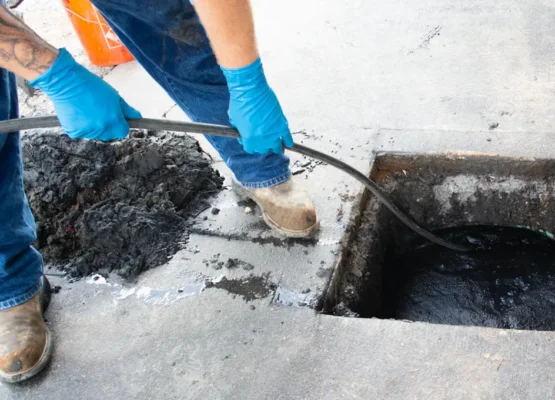
That may mean shutting off water, clearing an active stoppage, isolating a system, checking a pump, handling a leak, or restoring a critical fixture. Once the immediate problem is under control, the team can move into repair planning.
This matters because quick action can reduce:
- Property damage
- Customer disruption
- Employee downtime
- Tenant complaints
- Cleanup costs
- Safety risks
- Business interruption
At Charlie’s Plumbing, our emergency response is built around keeping commercial facilities operating whenever possible.
A Real Response Team Shows Up Prepared
Commercial plumbing calls often require more than a basic toolbox.
The right team may need drain cleaning equipment, hydro jetting equipment, inspection tools, pumps, fittings, pipe materials, safety gear, and commercial-grade repair knowledge.
Charlie’s Plumbing uses commercial plumbing technology like video inspection and hydro jetting to help diagnose and solve drain and sewer problems. That helps reduce guesswork and supports better repairs.
Prepared service also means the technician understands how to work around business operations.
For example, a restaurant may need a drain cleared fast so the kitchen can reopen. A healthcare clinic may need hot water restored because sanitation matters. A manufacturing plant may require site-specific safety steps. A school may need service completed before students arrive.
Commercial response requires that kind of awareness.
After-Hours Service Can Protect Business Hours
Many commercial facilities need work done outside normal operating hours.
A plumbing company that only works during standard hours may create more disruption than the repair itself.
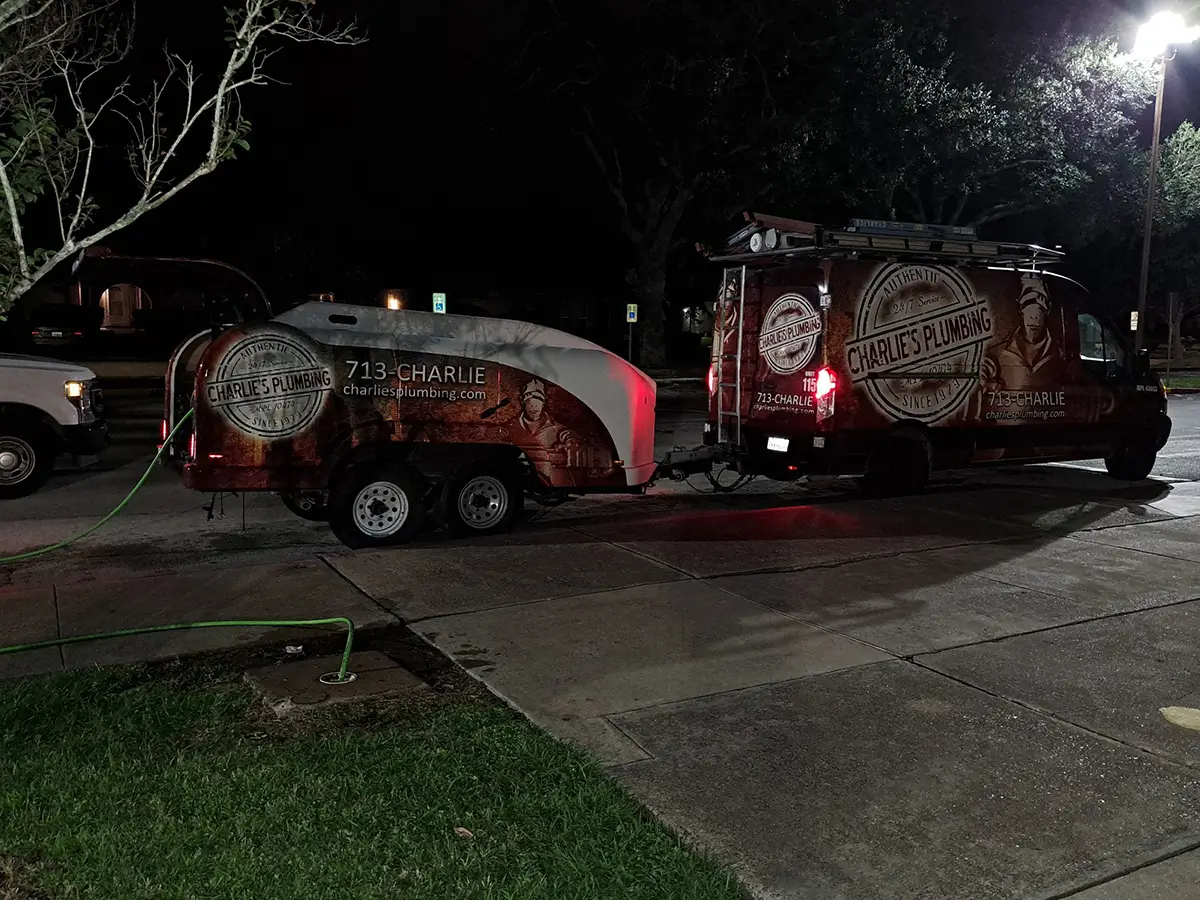
Charlie’s Plumbing offers scheduled service that can be handled overnight, after hours, or on weekends when needed. That is especially valuable for facilities that need to stay open during the day.
After-hours service can help:
- Keep customers away from work areas
- Reduce tenant complaints
- Protect patient or student schedules
- Avoid business-hour closures
- Give crews better access to mechanical rooms or fixtures
- Make larger repairs easier to complete
This is one of the biggest values of working with a commercial plumbing partner.
Emergency Repairs Should Include Documentation
After the emergency is handled, facility teams often need details.
What failed? What was repaired? Is there a bigger issue? Should the line be inspected? Is a replacement needed soon? Is this likely to happen again? Does leadership need to budget for future work?
A professional commercial plumbing response should include clear notes and recommendations.
This helps facility managers explain the issue to owners, tenants, administrators, or operations teams. It also supports smarter long-term maintenance planning.
Why Businesses Call Charlie’s Plumbing
Businesses choose Charlie’s Plumbing because we understand that downtime costs money.
We are focused on commercial and industrial facilities, not residential service. Our team helps companies with emergency response, scheduled work, maintenance, inspections, testing, drain cleaning, sewer service, lift station support, and system repair.
Our value proposition is simple.
We help keep your facility flowing, safe, compliant, and operational with dependable commercial plumbing service.
When an issue comes up, you need a team that answers, responds, communicates, and gets the work done right.
FAQ
Sewer backups, burst pipes, flooding, no hot water, gas concerns, lift station failure, major drain stoppages, and restroom shutdowns can all be commercial plumbing emergencies.
Commercial plumbing systems are larger, higher-use, and tied to business operations. A commercial plumber understands downtime, safety, scheduling, and facility access needs.
Yes. Many commercial facilities schedule repairs after hours, overnight, or on weekends to reduce business disruption.
Protect people first, stop using affected fixtures, shut off water if safe, document the issue, and make sure site access is ready for the technician.
Takeaway
A real emergency commercial plumbing response team does more than show up with tools.
Charlie’s Plumbing helps businesses handle urgent plumbing problems with fast response, clear communication, commercial experience, and a focus on keeping facilities operating with less disruption.