Commercial plumbing maintenance plans help businesses reduce downtime, control repair costs, and keep facilities operating safely.
Most plumbing problems feel sudden.
A sewer line backs up. A restroom floods. A water heater stops working. A tenant reports a foul odor. A kitchen drain slows down during a rush. A lift station alarm goes off. Everyone reacts fast because the building has to keep moving.
But many plumbing failures start small.
A slow drain today can become a sewer backup later. A small leak can damage walls, ceilings, and flooring. A water heater that struggles can turn into a full loss of hot water. A grease line that has not been maintained can shut down food service.
A maintenance plan helps businesses stay ahead of those problems.
At Charlie’s Plumbing, we provide commercial-only plumbing service for facilities that cannot afford preventable downtime. Our value is simple. We help businesses protect operations, safety, sanitation, and long-term system reliability.
What Is a Commercial Plumbing Maintenance Plan?
A commercial plumbing maintenance plan is a scheduled service program for your building’s plumbing system.
It may include:
- Drain cleaning
- Sewer line inspection
- Hydro jetting
- Water heater checks
- Backflow testing
- Grease trap service support
- Roof drain service
- Leak checks
- Fixture inspections
- Lift station checks
- Gas system testing
- Preventive repairs
- Service documentation
The goal is to catch small problems before they create expensive emergencies.
For a commercial facility, this is not busywork. It is risk control.

Why Downtime Costs More Than the Repair
When plumbing fails inside a commercial building, the repair invoice is only part of the cost.
The larger cost may come from:
| Downtime Problem | Possible Business Impact |
| Closed restrooms | Tenant complaints and reduced customer access |
| No hot water | Sanitation concerns and service interruption |
| Sewer backup | Health concerns, cleanup costs, and possible closure |
| Drain odors | Poor customer or patient experience |
| Water damage | Flooring, wall, ceiling, and inventory damage |
| Emergency repairs | Higher stress, rushed decisions, and lost productivity |
| Repeat issues | Staff frustration and long-term property damage |
Commercial plumbing maintenance helps reduce these risks.
A planned service call is easier to manage than a surprise failure during business hours.
Maintenance Helps Facilities Plan Instead of React
Facility managers work better when they can plan.
A maintenance plan helps create a clearer picture of the building’s plumbing condition. Instead of waiting for failures, your team can identify problem areas, schedule repairs, and budget for upgrades.
For example, video inspection may show buildup, root intrusion, pipe damage, or recurring blockage points. Hydro jetting may clear grease, sludge, and debris before the line backs up. Backflow testing may support compliance. Water heater service may help avoid a no hot water emergency.
That gives your team time to make better decisions.
Commercial Buildings Have Heavy Plumbing Demand
A commercial system usually works harder than a home plumbing system.
Think about the daily use in:
- Office buildings
- Restaurants
- Grocery stores
- Schools
- Healthcare clinics
- Warehouses
- Municipal buildings
- Manufacturing facilities
- Retail centers
- Hotels
- Multi-tenant properties
These facilities can have hundreds or thousands of daily users. Restrooms, drains, water heaters, sewer lines, roof drains, and fixtures take constant use.
More use means more wear.
A commercial plumbing maintenance plan helps account for that heavier demand.
Maintenance Supports Safety and Compliance
Many businesses must think about plumbing compliance.
Backflow prevention, ADA access, hot water, sanitation, gas systems, grease handling, and safe drainage can all matter depending on the facility type.
Healthcare facilities, restaurants, schools, campuses, industrial facilities, and public buildings often have extra pressure to keep systems safe and documented.
Maintenance helps support those needs.
It also creates a service history. That history can help owners, facility managers, engineers, and operations teams understand what has been repaired, what needs attention, and what may require future investment.
Preventive Drain and Sewer Service Matters
Drain and sewer problems are some of the most disruptive plumbing issues in commercial buildings.
A clogged restroom line, kitchen drain, main sewer line, or floor drain can create immediate operational problems.
Common causes include:
- Grease buildup
- Scale
- Paper products
- Food waste
- Sediment
- Roots
- Broken pipe sections
- Poor pipe slope
- Heavy fixture usage
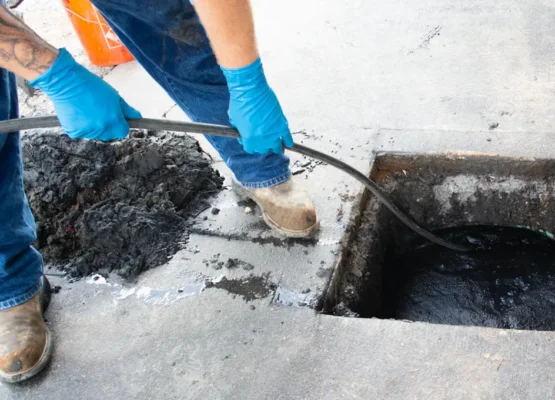
Maintenance may include hydro jetting, sewer cleaning, and video inspection. These services help identify and clear issues before a full backup occurs.
For restaurants, schools, healthcare facilities, retail buildings, and multi-tenant properties, this can be the difference between a normal day and a shutdown.
Maintenance Helps Protect the Budget
Emergency work can be expensive because it comes with urgency.
There may be water damage, after-hours response, cleanup costs, tenant issues, lost revenue, and pressure to fix everything immediately.
Maintenance helps spread plumbing work into planned service instead of crisis spending.
It also helps spot repairs early, when the problem may be smaller and easier to solve.
A good maintenance program gives leadership better visibility into future costs. That matters for owners, property managers, facility directors, and operations teams.
Why Businesses Choose Charlie’s Plumbing for Maintenance
Charlie’s Plumbing is focused on commercial and industrial facilities.
That matters because commercial maintenance requires more than basic plumbing skill. It requires planning, communication, scheduling, safety awareness, documentation, and respect for business operations.
We help facilities with:
- Scheduled plumbing service
- Emergency response
- Drain and sewer maintenance
- Inspection and testing
- System repairs
- Lift station service
- Commercial water systems
- Long-term planning
- Clear communication
Our goal is to help keep your facility running with fewer surprises.
What Should Be Included in a Maintenance Plan?
The right plan depends on your building, system age, business type, usage level, and past problems.
A restaurant may need more frequent drain and grease-related service. A healthcare facility may need extra focus on hot water, sanitation, and emergency response. A campus may need service across multiple buildings. A warehouse may need lift station checks, sewer maintenance, or roof drain attention.
A strong maintenance plan should match how your facility actually operates.
FAQ
It depends on the facility type, system age, usage, and past issues. High-use buildings often need regular scheduled inspections and maintenance.
No system is perfect, but maintenance can reduce preventable failures and help catch problems earlier.
Common services include drain cleaning, sewer inspection, hydro jetting, water heater checks, backflow testing, leak checks, fixture repairs, roof drain service, and lift station checks.
Commercial-only plumbing companies understand building operations, safety needs, scheduling demands, code issues, and the cost of downtime.
Takeaway
Commercial plumbing maintenance is one of the smartest ways to reduce downtime and control emergency repair costs. Charlie’s Plumbing helps businesses stay ahead of plumbing problems with scheduled service, inspections, testing, cleaning, emergency response, and commercial plumbing support built around keeping facilities running.