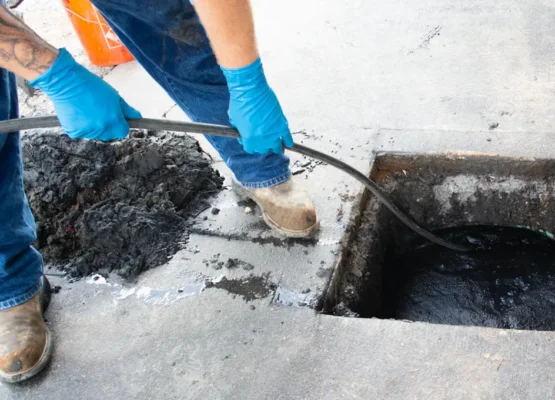
Commercial plumbing in Houston is easiest to inspect and repair before a new tenant occupies the space.
An empty suite gives property managers access to restrooms, breakrooms, mechanical rooms, floor drains, water heaters, shutoff valves, sewer connections, and concealed plumbing areas. Once the tenant moves in, desks, inventory, equipment, customers, employees, and operating hours restrict that access.
Vacancy also hides plumbing problems.
A toilet that gets flushed once a week doesn’t perform under the same demand as a toilet used 40 times a day. A drain that accepts a small amount of water doesn’t prove that the branch line will handle normal business use. A water heater that serves an empty suite doesn’t show whether it can meet the next tenant’s hot-water demand.
Property managers should use tenant turnover as a plumbing inspection window.
The goal is simple: find problems before the tenant finds them.
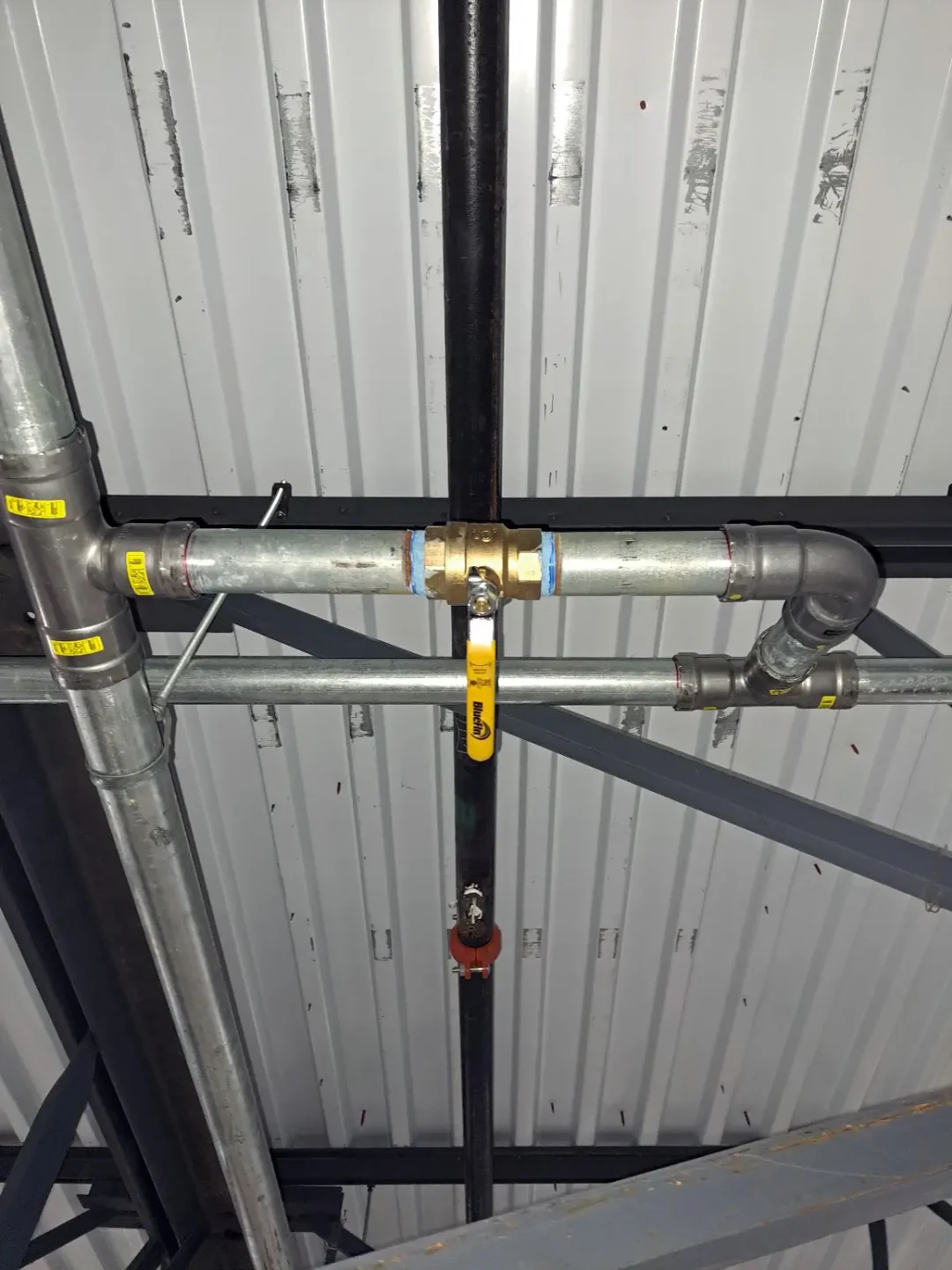
Commercial Plumbing Is Harder to Judge in a Vacant Space
Commercial plumbing is a system that reveals many defects only when water demand increases.
A vacant office, retail suite, restaurant, salon, medical office, or industrial unit places little load on its supply and drainage piping.
The new tenant changes that load immediately.
Employees flush toilets.
Customers use restrooms.
Staff run sinks.
Cleaning crews fill mop basins.
Dishwashers discharge water.
Commercial kitchen equipment sends wastewater into branch drains.
Water heaters cycle more often.
That increased demand exposes slow drains, weak flushometers, leaking valves, undersized hot-water systems, restricted sewer lines, and damaged fixtures.
This is basic hydraulic behavior. Plumbing systems must carry a required volume of water through a defined pipe size. A partial obstruction still passes small amounts of water. Higher flow exposes the restriction.
A vacant suite gives the property manager weak evidence.
Normal occupancy gives the plumbing system a real test.
The Previous Tenant Is Part of the Plumbing History
Tenant history is one of the first facts a commercial plumber should review.
A general office places different demands on plumbing than a restaurant.
A restaurant sends grease, food solids, detergents, and high wastewater volumes through the drainage system.
A hair salon uses multiple shampoo bowls and hot-water fixtures.
A medical office may include handwashing sinks, sterilization equipment, laboratory sinks, or specialized drainage.
A fitness center uses showers, lavatories, toilets, and locker-room floor drains.
An industrial tenant may operate process-water lines, hose bibbs, floor sinks, pumps, or specialized equipment.
The previous use matters because the plumbing system carries physical evidence of that use.
Grease builds inside drain piping.
Mineral deposits collect on valves and fittings.
Fixtures wear through repeated operation.
Scale forms in water heaters.
Sediment collects in low sections of drainage piping.
A property manager who knows the former tenant’s use gives the plumber better information before the inspection begins.
Commercial Restroom Fixtures Are High-Wear Components
Commercial restroom fixtures are among the first components a property manager should inspect.
Toilets, urinals, lavatories, faucets, flushometers, supply stops, trap assemblies, and floor drains receive repeated use during normal occupancy.
Start with the flush cycle.
A flushometer should deliver the required flush and stop.
A toilet shouldn’t continue running.
A urinal shouldn’t leak after the flush cycle ends.
A faucet should shut off completely.
An angle stop should remain dry.
A P-trap shouldn’t show corrosion, moisture, or staining.
The fixture should remain secure at the floor, wall, or countertop.
These are simple observations, but they matter.
A small flush-valve leak wastes water every hour of the day. A loose toilet places stress on the seal below it. A dripping supply connection damages cabinets, flooring, or wall materials. A corroded shutoff valve complicates future repairs.
The property manager should find these defects before the tenant submits the first service request.
Commercial Drainage Is Best Tested Under Real Flow
Commercial drainage is more accurately tested when several fixtures discharge water during the same period.
Running one sink proves very little.
Run the lavatories.
Flush the toilets.
Operate nearby fixtures.
Watch the floor drains.
Listen for gurgling.
Check the drain speed.
Look for water rising in a neighboring fixture.
Drain systems depend on pipe diameter, slope, venting, internal condition, and downstream capacity. A restricted branch drain often handles light flow and fails under heavier use.
That pattern matters in commercial property.
A line that drains normally during a five-minute walk-through can back up during the tenant’s first busy day.
Commercial drain cleaning belongs in the turnover process when inspection shows slow flow, heavy buildup, repeated stoppage history, or a known high-use application.
The service should answer a specific condition.
It shouldn’t replace diagnosis.
Floor Drains Are Common Sources of Overlooked Problems
Floor drains are simple fixtures that property teams often ignore during vacancy.
A floor drain depends on a trap seal to block sewer gas from entering the building.
Water evaporates from an unused trap.
That loss creates an open path between the sanitary drainage system and the occupied space.
The result is direct.
The tenant smells sewer gas.
This problem appears often in vacant restrooms, mechanical rooms, janitorial closets, kitchens, utility rooms, and abandoned tenant areas.
Property managers should inspect floor drains before occupancy.
The drain should remain open.
The grate should remain intact.
The surrounding floor should drain toward the opening.
The trap should hold water.
Persistent sewer odor after the trap receives water points to a different defect that needs further inspection.
Water Shutoff Valves Are Critical During Tenant Turnover
Water shutoff valves are essential control points during commercial plumbing repair.
Every property manager should know which valve controls the tenant space.
That statement sounds basic.
Many commercial properties still have old, inaccessible, mislabeled, or failed shutoff valves.
A valve that hasn’t moved in years often develops corrosion, mineral buildup, packing leaks, or internal failure. A handle may turn without fully stopping the water.
That problem becomes expensive during an active leak.
The plumber then has to isolate a larger section of the property.
More tenants lose water.
More businesses stop work.
The repair takes longer.
Tenant turnover gives property management time to inspect and identify isolation valves before an emergency occurs.
The building should have a clear record of valve locations and the areas each valve controls.
Water Heaters Need to Match the Next Tenant’s Demand
Commercial water heaters are equipment that should be evaluated against the next tenant’s actual use.
An office and a restaurant don’t need the same hot-water capacity.
Neither do a retail store and a salon.
A tenant improvement changes demand when the new business adds sinks, washing equipment, showers, food preparation, cleaning stations, or other hot-water fixtures.
The water heater should be inspected for age, corrosion, leakage, burner or heating condition, venting where applicable, temperature control, pressure relief components, and available recovery capacity.
A unit that produces enough hot water for an empty suite proves nothing about peak demand.
Hot-water demand must match the business.
That principle prevents opening-week failures.
Tenant Improvements Change the Plumbing System
Tenant improvements are construction projects that often alter the building’s plumbing load and layout.
A new tenant may add restrooms.
A restaurant may add hand sinks, floor sinks, dishwashing equipment, a grease interceptor, or additional drainage.
A medical tenant may add exam-room sinks.
A salon may add shampoo stations.
A fitness tenant may add showers.
Each new fixture changes the water-supply and drainage requirements.
The plumber should inspect those changes before walls, ceilings, and finished floors close access.
Once drywall, tile, cabinetry, or equipment covers the piping, repair costs rise.
The project also becomes harder to schedule.
A plumbing correction completed during rough construction affects the jobsite.
The same correction completed after opening affects the tenant’s business.
That difference matters.
Commercial Sewer Lines Deserve Attention When the Service History Shows a Pattern
Commercial sewer lines are part of the turnover inspection when the property has a record of repeated stoppages, slow drainage, grease loading, root intrusion, pipe damage, or previous sewer repairs.
Not every vacant suite needs a camera inspection.
A documented pattern creates the reason for one.
Video inspection provides direct visual evidence inside the line.
The camera shows buildup, offsets, cracks, roots, standing water, damaged pipe, foreign material, and other visible conditions.
That evidence gives the property manager a clearer repair decision.
A sewer line with a known defect should not remain unaddressed simply because the vacant space currently drains.
The next tenant will put the line back under normal load.
Backflow Devices and Specialty Plumbing Need Their Own Review
Backflow prevention devices are safety components that protect the potable water supply from reverse flow.
Commercial properties often contain more specialized plumbing than a standard office restroom.
Examples include:
- Reduced-pressure backflow preventers
- Double-check valve assemblies
- Grease interceptors
- Floor sinks
- Mop basins
- Commercial water heaters
- Booster pumps
- Lift stations
- Hose bibbs
- Mixing valves
- Trap primers
- Flushometers
- Gas piping
- Commercial kitchen connections
Each component has a defined job.
A tenant change doesn’t erase that job.
Property management should confirm which equipment remains in service, which equipment belongs to the property, and which equipment needs inspection before occupancy.
Previous Water Damage Is Physical Evidence
Previous water damage is evidence that deserves investigation before a tenant moves in.
A stained ceiling tile shows that water reached that location.
A patched wall shows that someone opened the wall.
Corrosion on a fitting shows long-term moisture exposure.
Swollen cabinetry shows repeated contact with water.
Discolored flooring shows that water remained in the area.
These signs don’t identify the current cause by themselves.
They identify locations that deserve inspection.
Property managers should review repair records, maintenance tickets, contractor invoices, and tenant complaints tied to those areas.
Historical evidence narrows the search.
It also prevents the next plumber from starting with no context.
Plumbing Responsibility Should Be Clear Before Occupancy
Plumbing responsibility is a property-management issue that should be settled before the tenant opens.
The lease controls responsibility.
The plumber doesn’t.
Property owners and managers should know who handles fixture repairs, branch drain stoppages, shared sewer lines, water heaters, grease interceptors, tenant-added plumbing, and common-area systems.
That clarity speeds up service.
It also reduces disputes after the problem starts.
A leaking toilet shouldn’t trigger a lease interpretation debate while water spreads across the restroom floor.
The decision process should already exist.
Commercial Plumbing Records Reduce Future Guesswork
Commercial plumbing records are practical operating tools.
Keep records of:
- Drain stoppages
- Sewer camera findings
- Leak repairs
- Water-line replacements
- Fixture repairs
- Water-heater service
- Valve locations
- Backflow testing
- Tenant buildout changes
- Emergency calls
- Recurring trouble areas
These records create a timeline.
That timeline shows patterns.
A drain that failed once is a service event.
A drain that failed four times in the same year is a pattern.
A water line repaired in three nearby locations deserves a broader review.
A tenant suite with repeated hot-water complaints points to a capacity or equipment problem.
Good records turn separate plumbing calls into useful building history.
A Commercial Plumber in Houston Should Understand Tenant Operations
A commercial plumber in Houston is responsible for more than repairing pipe and fixtures inside a tenant space.
The work affects access, construction schedules, water shutdowns, employees, customers, inventory, inspections, contractors, security, and opening dates.
Charlie’s Plumbing works with commercial and industrial properties throughout Houston.
We inspect, repair, install, and service commercial plumbing systems in offices, retail properties, restaurants, healthcare facilities, schools, industrial buildings, and other active facilities.
We work around the building’s operating requirements because plumbing repairs happen inside real businesses.
That matters most during tenant turnover.
The property manager has a short period with maximum access and minimum disruption.
Use it.
Inspect the Plumbing Before You Hand Over the Keys
Commercial plumbing inspection is one of the most practical steps a property manager can complete during tenant turnover.
Check the fixtures.
Test the drains.
Inspect the floor drains.
Confirm the shutoff valves.
Review the water heater.
Look at previous damage.
Check the service history.
Review planned tenant improvements.
Inspect known trouble areas.
Address defects before the tenant occupies the space.
The building is easier to inspect when it’s empty.
The plumbing is easier to repair when nobody is operating around it.
And the property manager has more control over the schedule before the tenant opens for business.
Why wait for the new tenant to discover a plumbing problem that was already there?